
3D rendering of clothing photos, before AI made it easy
This article is about technique, not creativity. But getting there took a lot of creative thinking. A few years back I co-founded a small venture called Fashion Textile Rendering Institute, specialised in photorealistic 3D rendering for fashion. The work itself was hard, and genuinely creative.
What is it exactly?
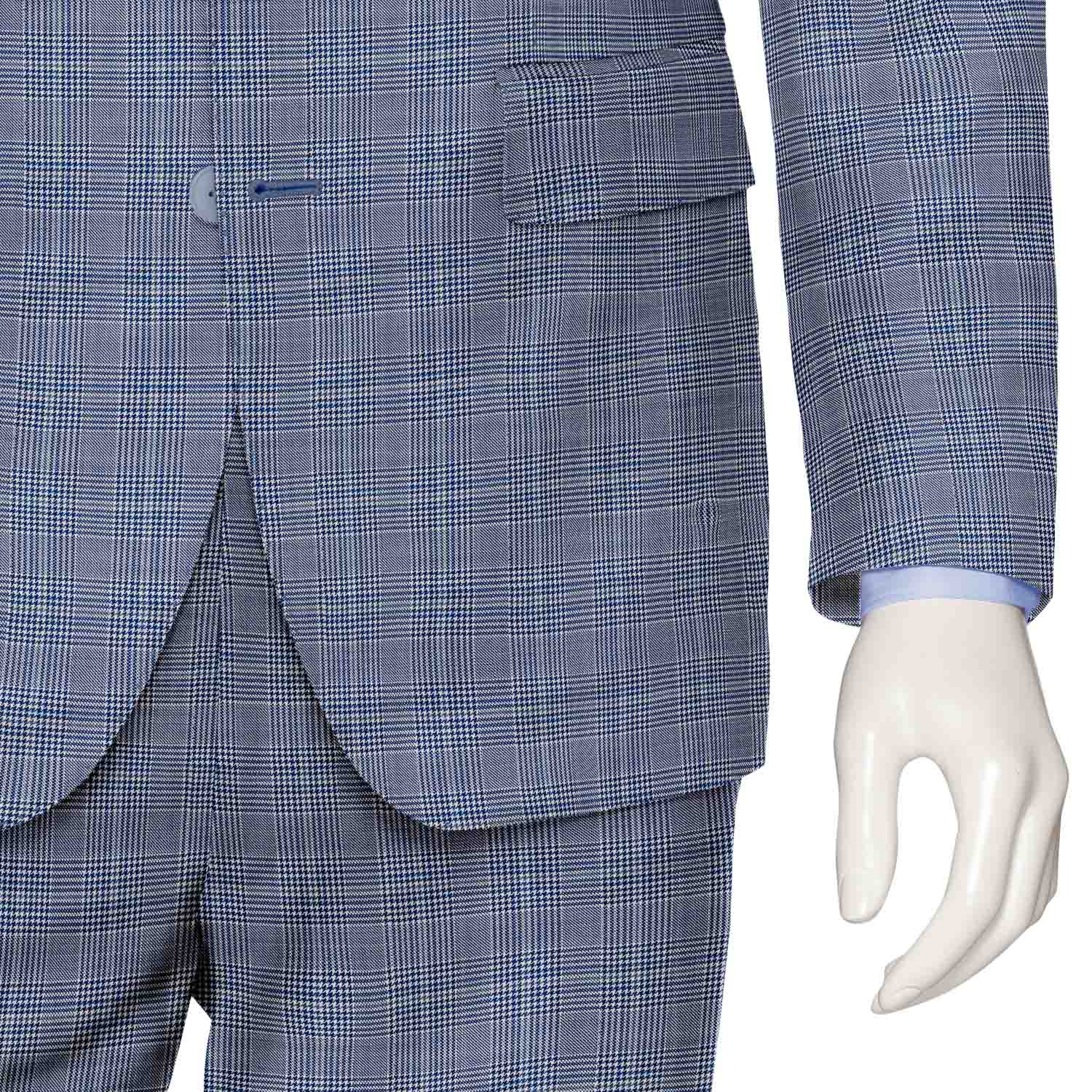
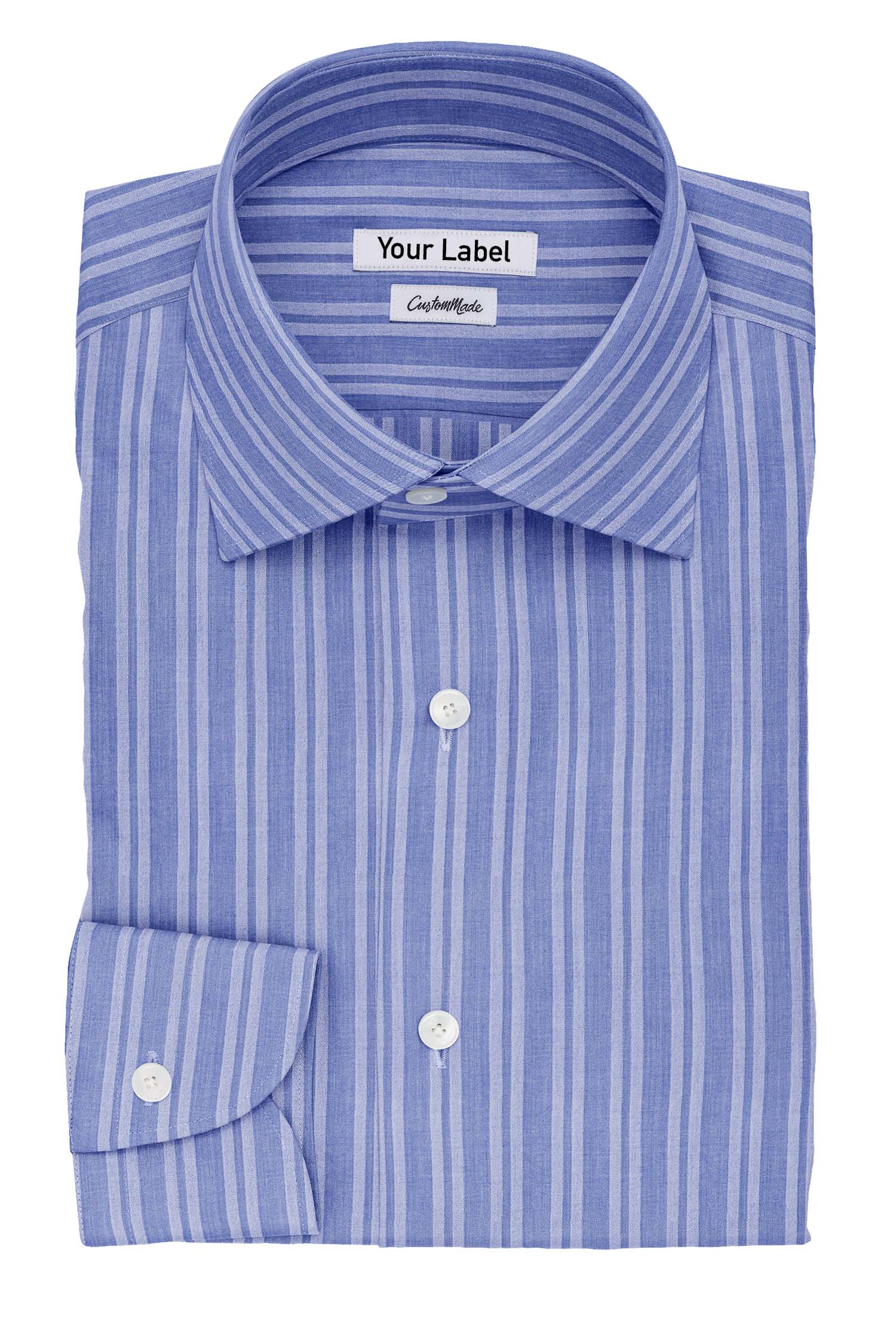
Rendering. Simple to say, harder to explain. Instead of photographing clothing, we built 'photos' from scratch using 3D software. The output looked like a photo or a film, but nothing had actually been photographed. No suit, no shirt, no studio.
Here are some examples: suits and folded shirts that never existed in the real world.






Why this mattered
Rendering fabric is a different sport than rendering, say, an iPhone. Hard surfaces are easy. Fabric is not: the weave, the drape, the way light catches a fold. Get that wrong and it looks fake in half a second.
At the time, I hadn't seen anyone else pull this off at the level we did. A university lecturer who worked in AI once saw the images and told me he had never seen rendering that convincing. That stuck with me, coming from someone who actually knew the field.
My contribution
Over 10 years of photographing clothing gave me something a render artist alone doesn't have: an eye for how fabric actually behaves under light. That knowledge is what made the difference between "clearly computer generated" and "wait, is this real."
Fashion Textile Rendering Institute doesn't exist anymore. But the experiment taught me a lot, and this was years before AI made this kind of thing common. If you're curious how this could apply to your work, feel free to get in touch.